
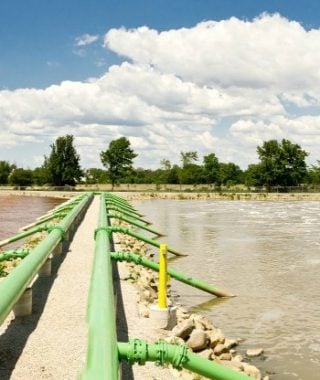
Dairy
High-strength wastewater, variable BOD and production swings.





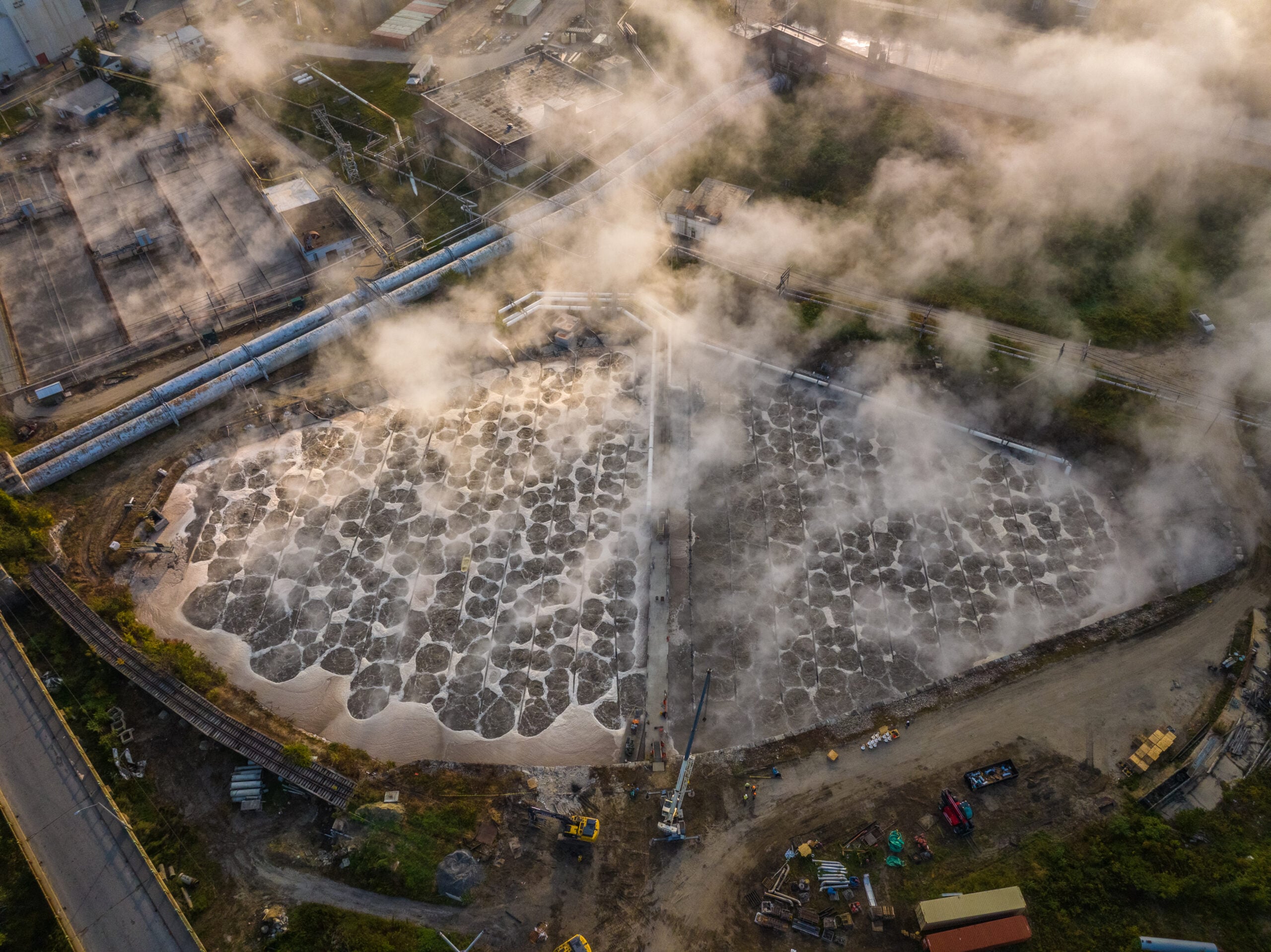
Home / Industrial lagoons
For industrial facilities
High-strength BOD, seasonal production swings, tighter total nitrogen (TN) limits and rising power bills can challenge industrial lagoons. We engineer efficient aeration and nutrient treatment around your actual production cycle—reducing operating costs while keeping your plant moving.
*Potential energy savings depend on existing aeration equipment, load and site conditions.
Industries we serve
From seasonal food processing to demanding industrial basins, we design around how your facility actually operates.
High-strength wastewater, variable BOD and production swings.
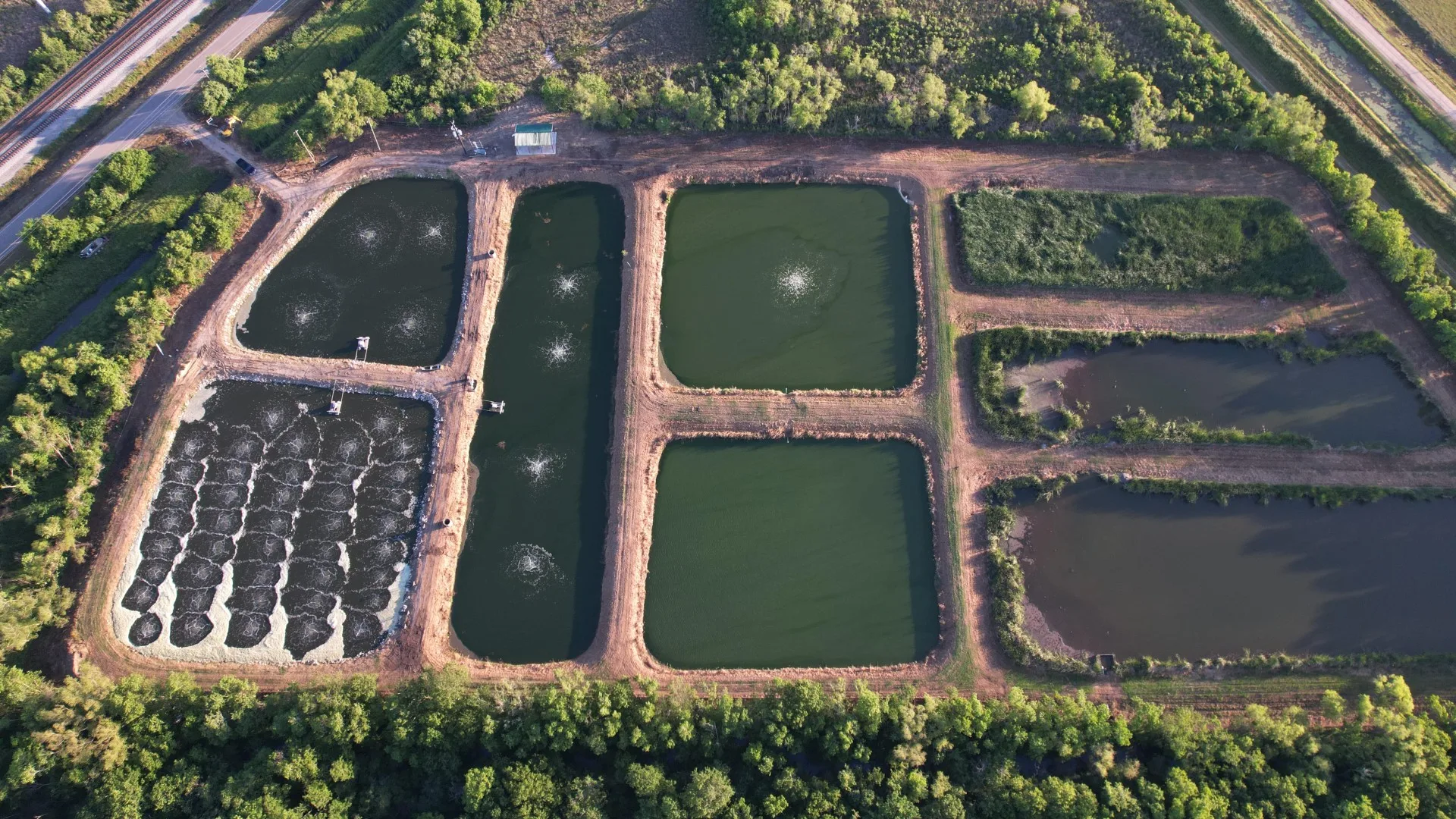
Manage fats, solids and high organic loads.
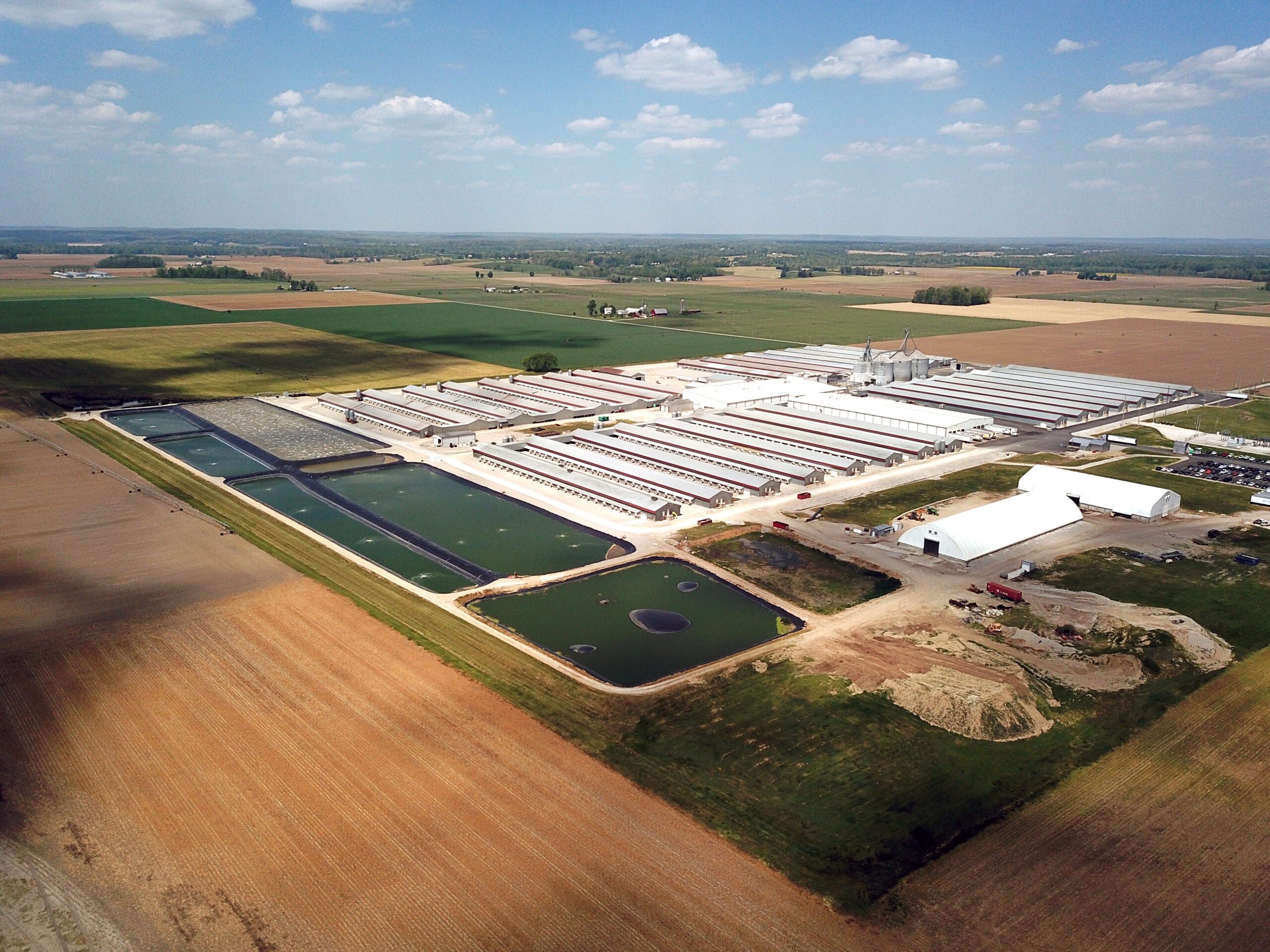
Adapt to ammonia, solids and changing processing volumes.
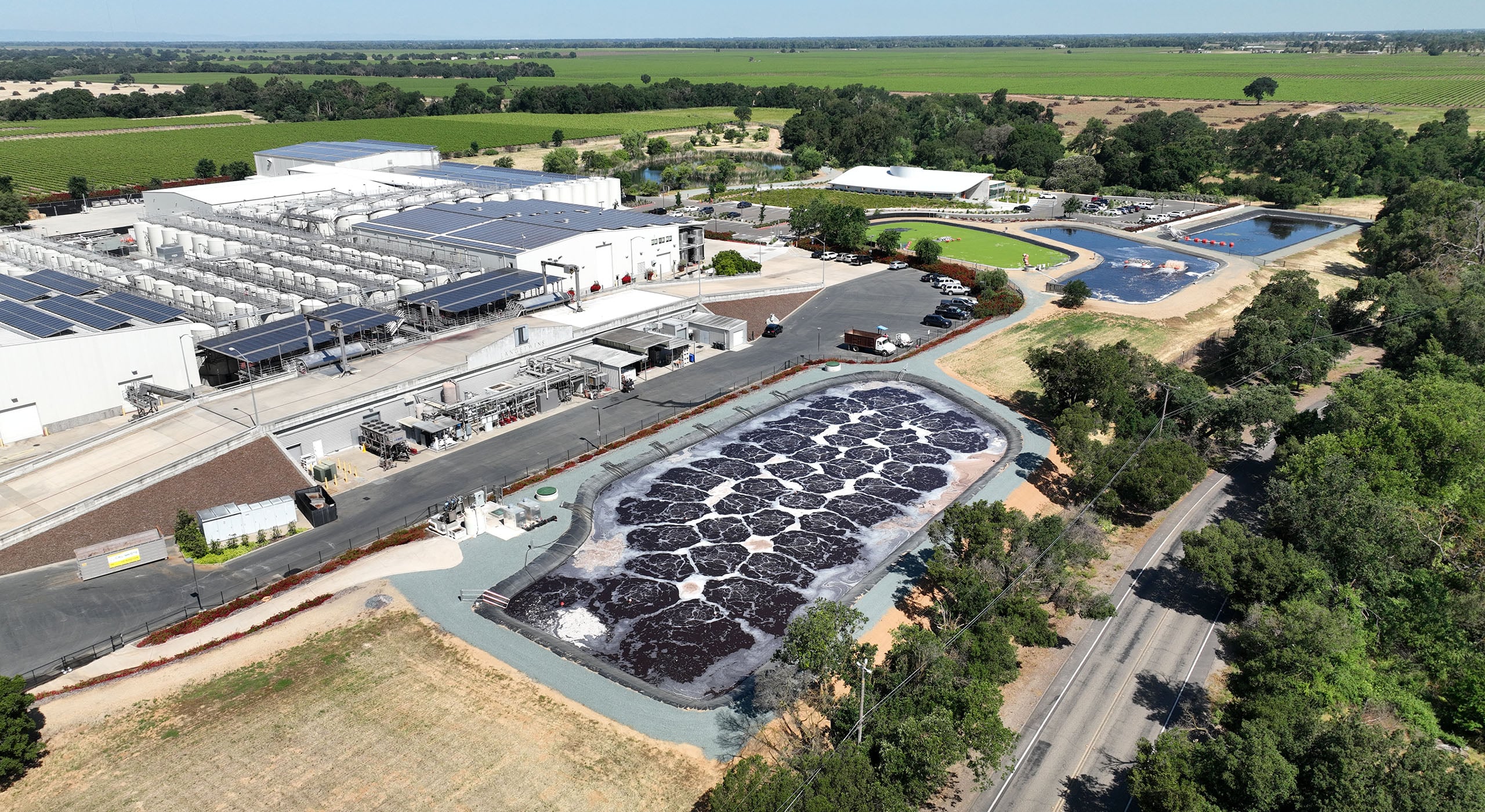
Design for crush-season loading and changing production demand.
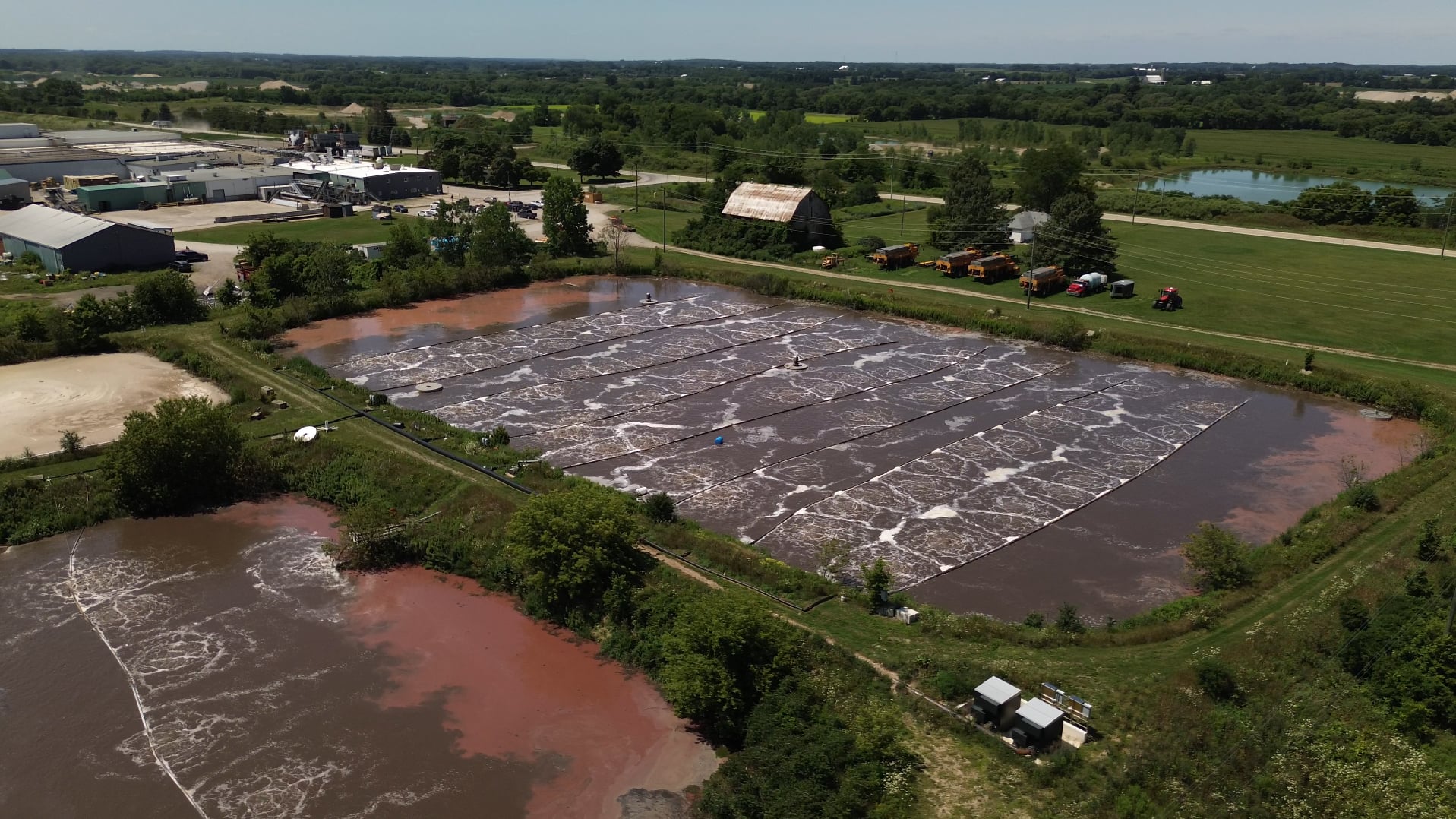
Handle seasonal campaigns, peak BOD and periods of low flow.
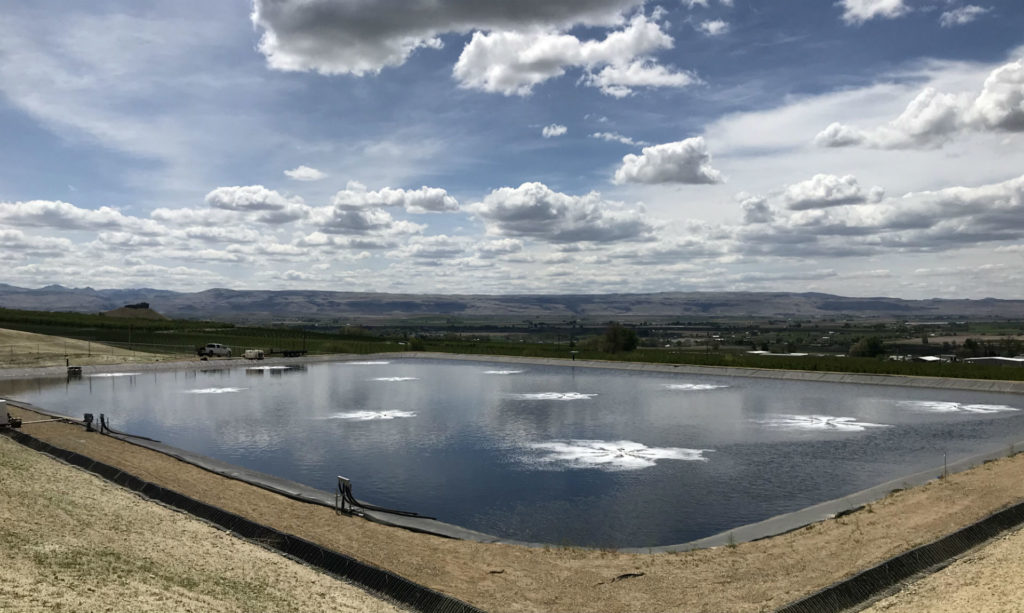
Address concentrated, seasonal wastewater loads.
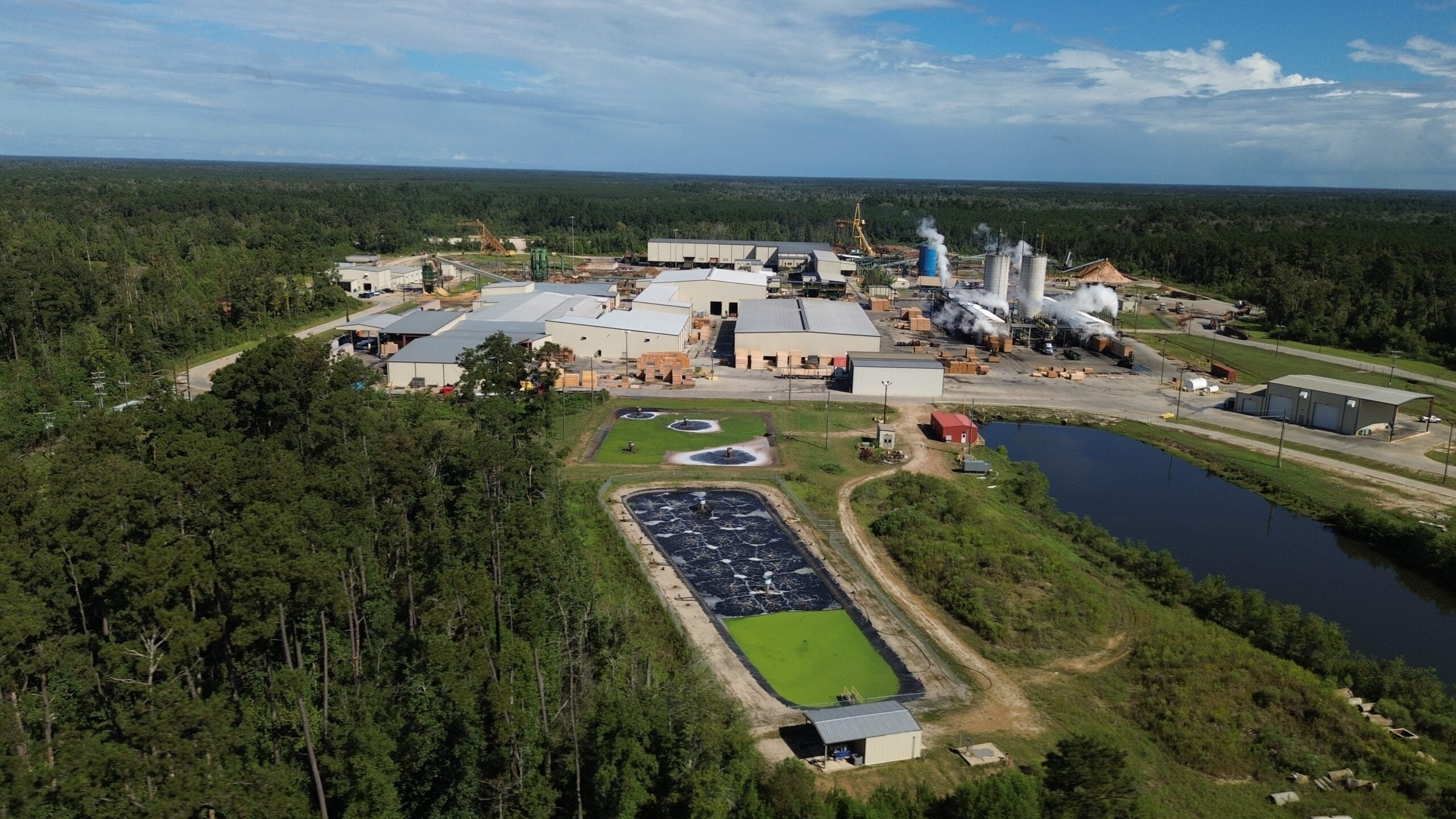
Improve basin mixing, membrane durability and aeration energy efficiency.
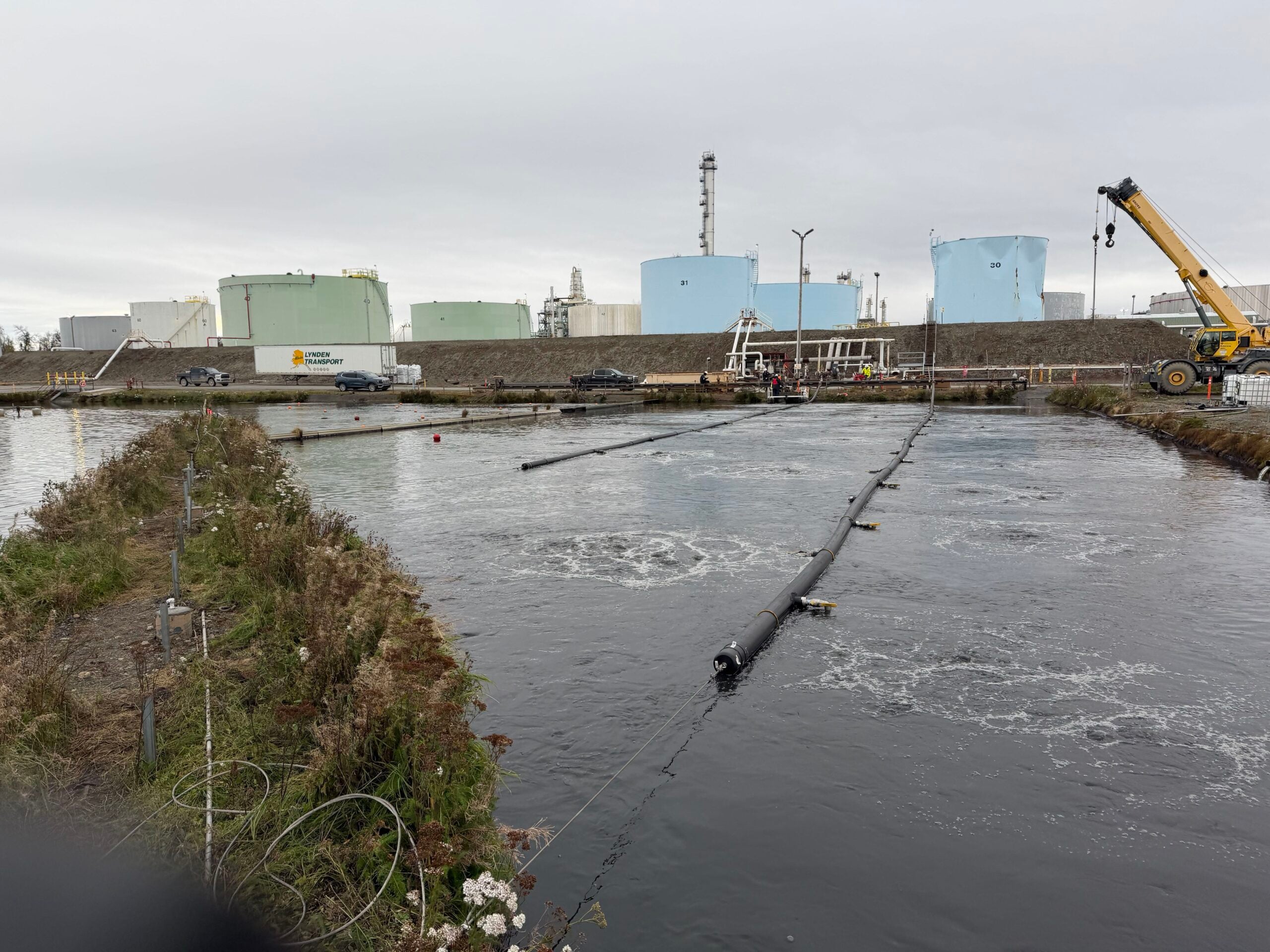
Review variable process water, aeration and discharge requirements.
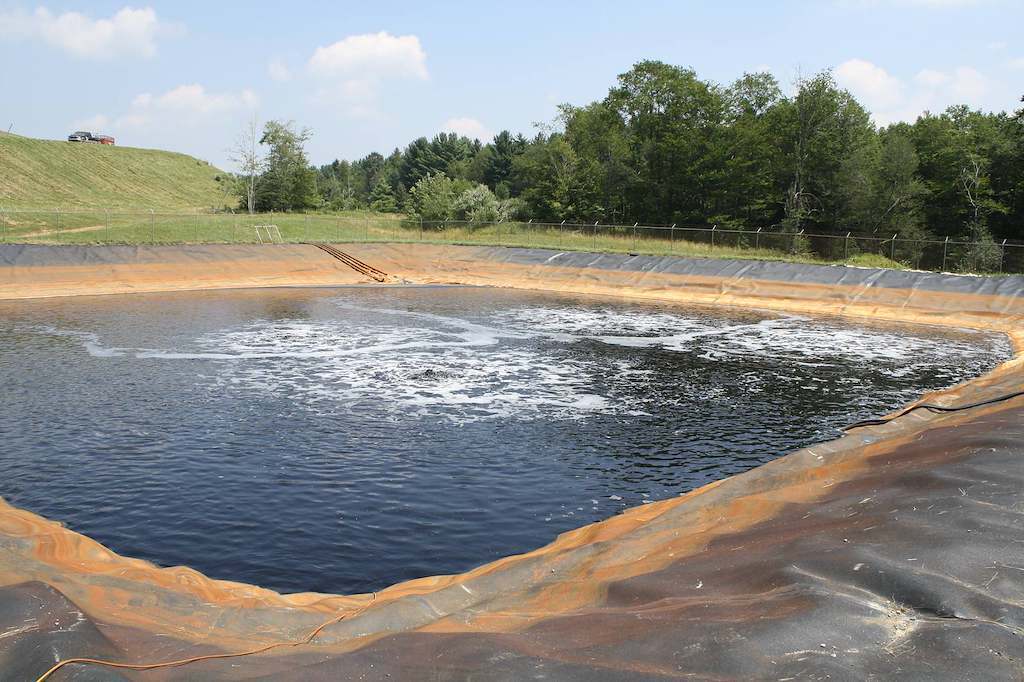
Evaluate ammonia loading and site-specific treatment needs.
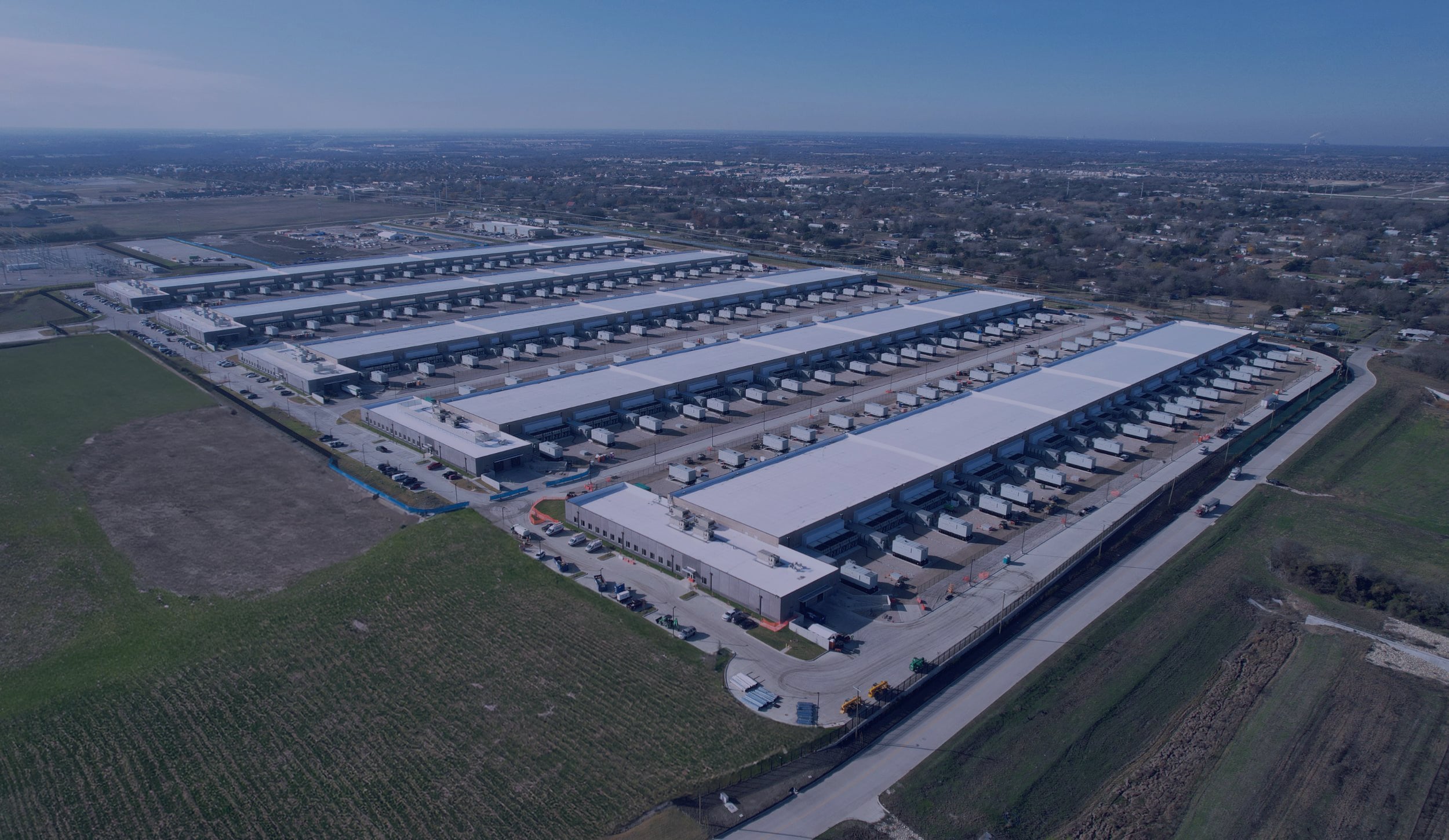
Explore cooling-water and facility wastewater treatment requirements.
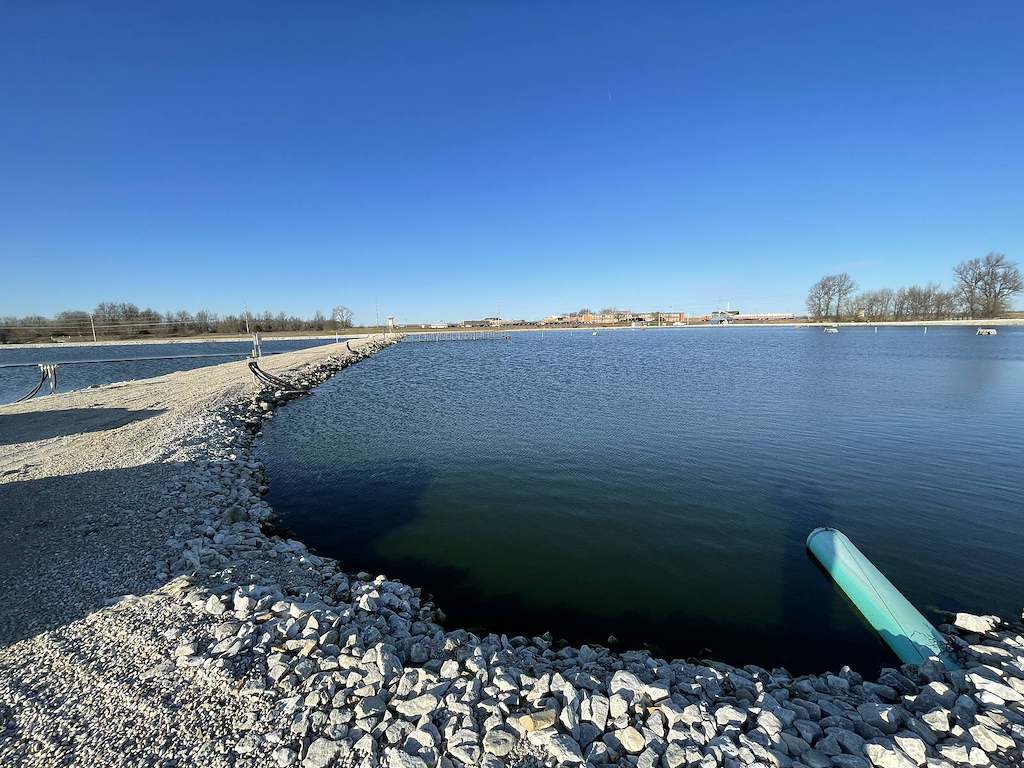
Reliable treatment for facilities with limited operations staff.
We evaluate loading, treatment goals and site conditions before recommending a process.
Industrial lagoon challenges
Industrial wastewater is harder on a lagoon than municipal sewage. Here's how we respond.
“Our loads swing with production, and the lagoon can't keep up during peaks.”
We map when production peaks occur—including winery crush and food-canning campaigns—then size mixing, aeration and biological treatment for peak and off-season needs, not just average daily flow.
“Sludge keeps building up and taking our capacity.”
Adding mixing and oxygen digests sludge in place, with sludge reduction of up to 60%, reducing the need for dredging.
“Our diffusers keep fouling, and membranes fail early.”
Our fine-bubble silicone membranes resist tearing and hold their shape, lasting up to 10 years, even in woodchip-heavy pulp & paper lagoons.
“Aeration is one of our biggest power bills.”
Ares Aeration® combines efficient fine-bubble oxygen transfer with powerful mixing, helping industrial facilities reduce aeration energy consumption by up to 50% while maintaining the treatment performance their operations demand. See an energy comparison →
“We have a new nutrient limit on our discharge.”
We evaluate nitrification and denitrification for ammonia and total nitrogen (TN), alongside phosphorus and total suspended solids (TSS). The permit and incoming loading set the treatment approach.
“BOD removal stalled and we don't know why.”
Industrial wastewater is often nutrient deficient. Our process engineers diagnose the biology, not just the hardware. How to diagnose nutrient deficiency →
Built around production, not averages
For wineries, canneries and other seasonal processors, yesterday’s flow may tell you little about tomorrow’s oxygen demand.
Track crush, canning runs, batch schedules and shutdown periods to identify when BOD and hydraulic loading rise.
Evaluate BOD and nutrient mass loading—including loading per lagoon acre—plus ammonia, TN, phosphorus and TSS targets.
Assess how aeration and mixing requirements change over the production cycle so equipment is not sized around a misleading average.
Engineered around your wastewater
Traditional lagoon aeration often forces plants to choose between efficient oxygen transfer and powerful mixing. Ares Aeration® delivers both in one system—helping reduce energy demand, improve biological treatment, and simplify maintenance without replacing your existing lagoons.

44% less sludge in one year
Same lagoon, measured before and after Triplepoint aeration.
published energy comparison
One mill's aeration upgrade shows how energy efficiency can become a measurable operating-cost advantage.
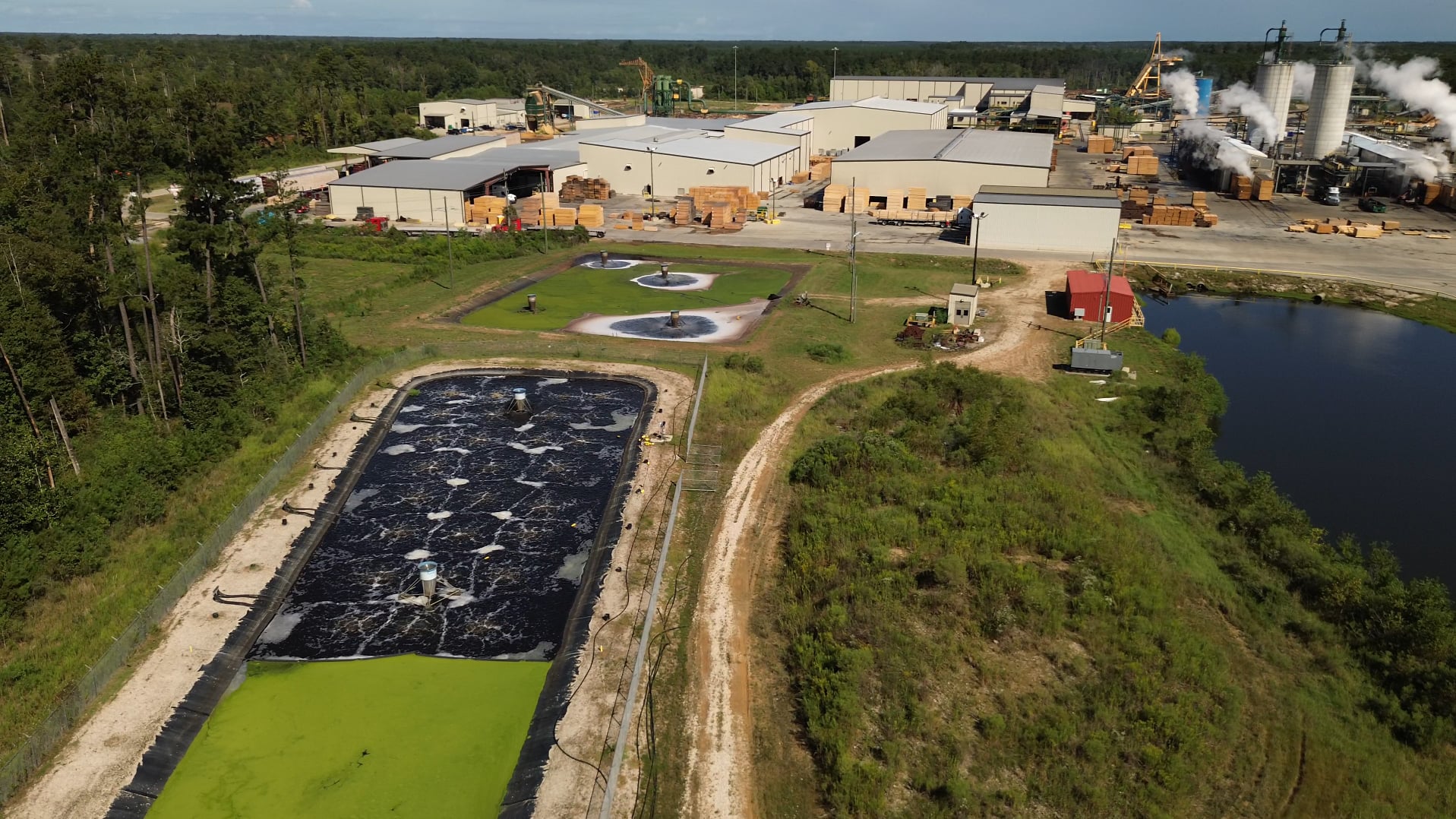
approximately 60,000 lb/day BOD loading
Projected annual savings of $310,060. This is one application, not a guaranteed result. Savings depend on existing equipment, operating hours, loading, electricity rate and site conditions. The up-to-50% energy claim represents potential savings in suitable applications.
Your lagoon may be next
Send us your existing horsepower, aerator count and operating hours for a site-specific review of potential energy and O&M savings.
Industrial lagoon technologies
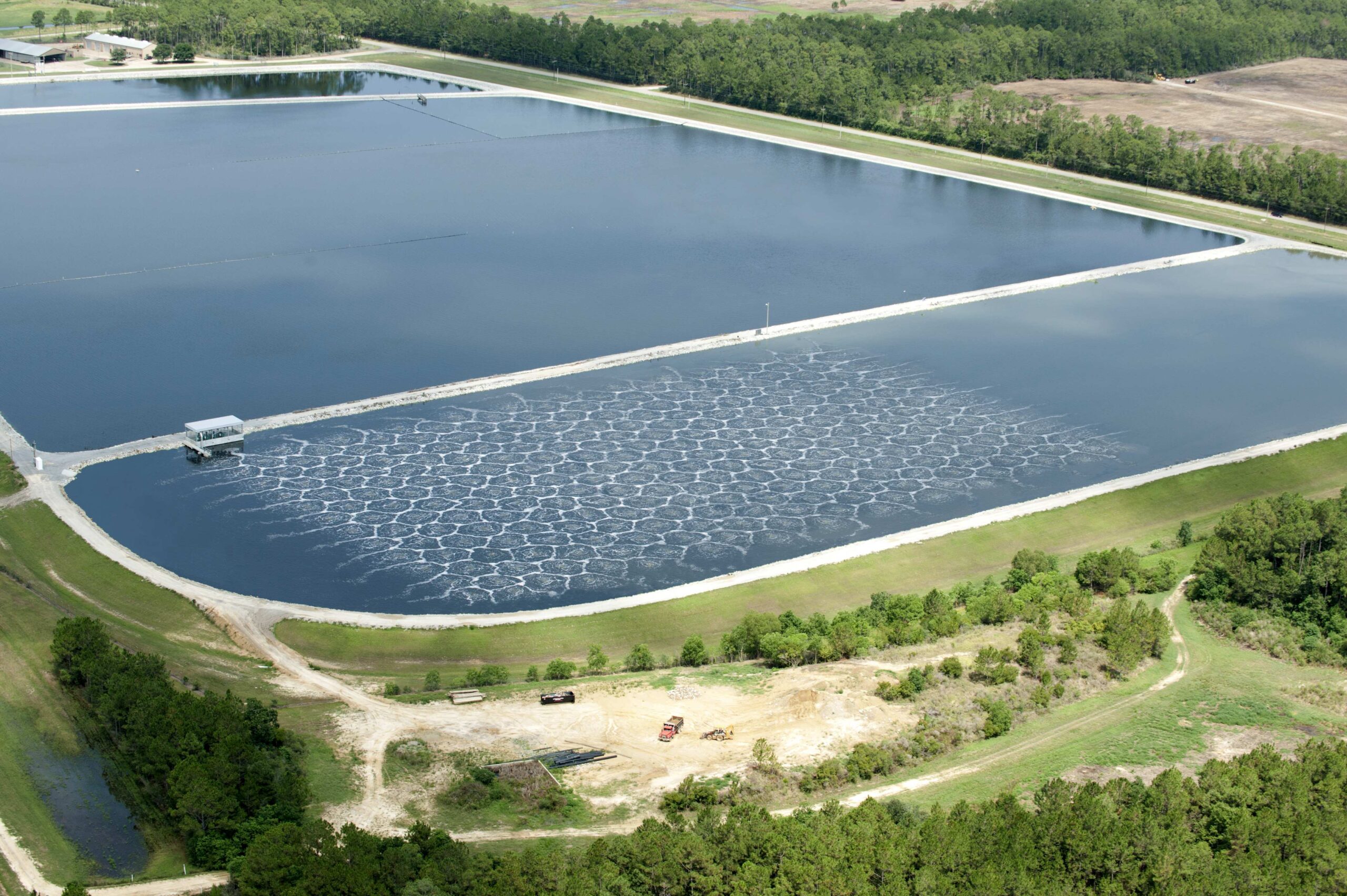
Efficient aeration and powerful mixing in one portable, surface-serviced unit.
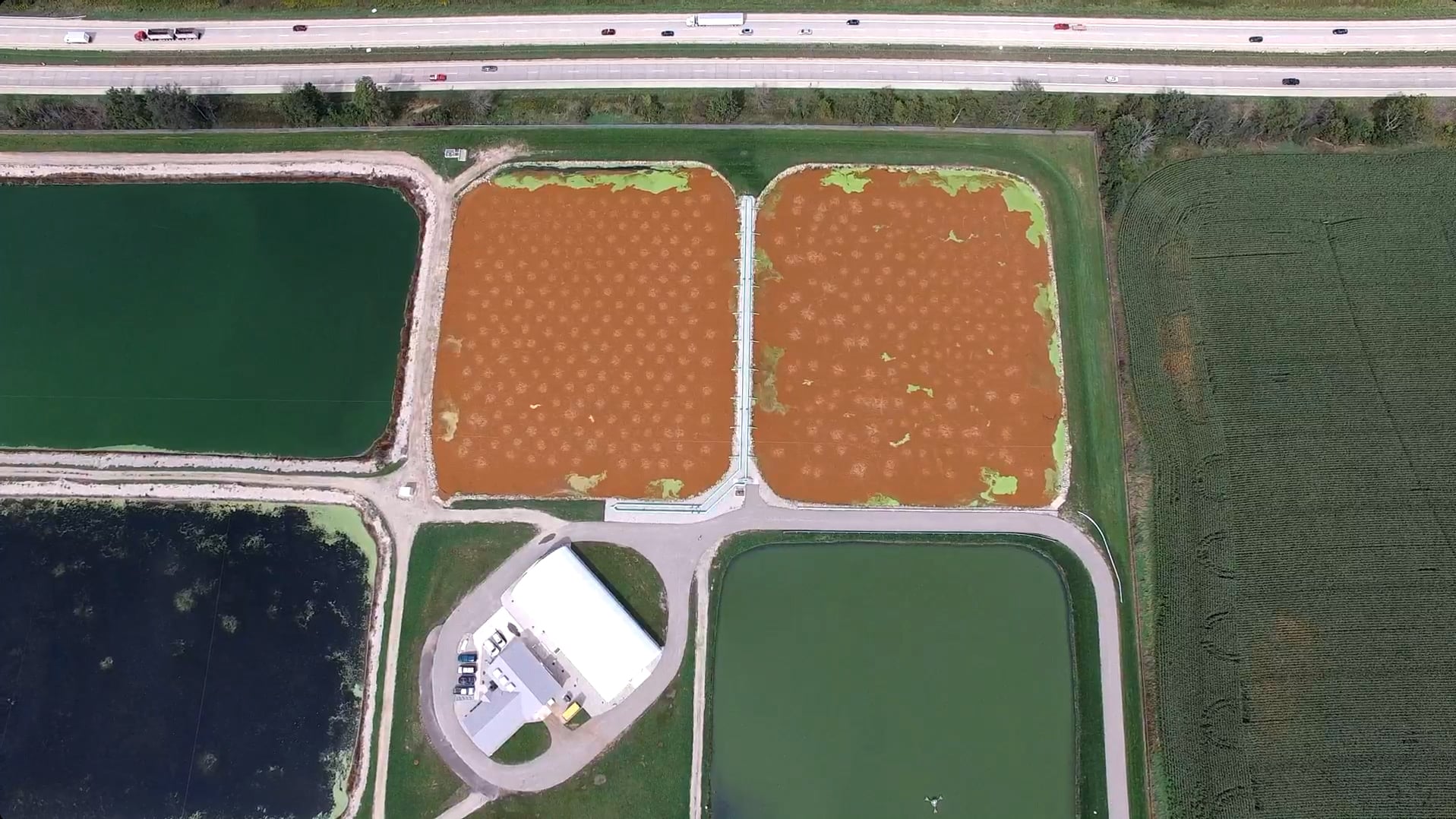
LRAS™ (Lagoon Return Activated Sludge) brings activated-sludge-level treatment to existing lagoons or engineered earthen basins. Built to manage higher loads, production peaks, and growth within the available footprint.

Dedicated nitrification after the lagoon, with onshore blowers and direct discharge.
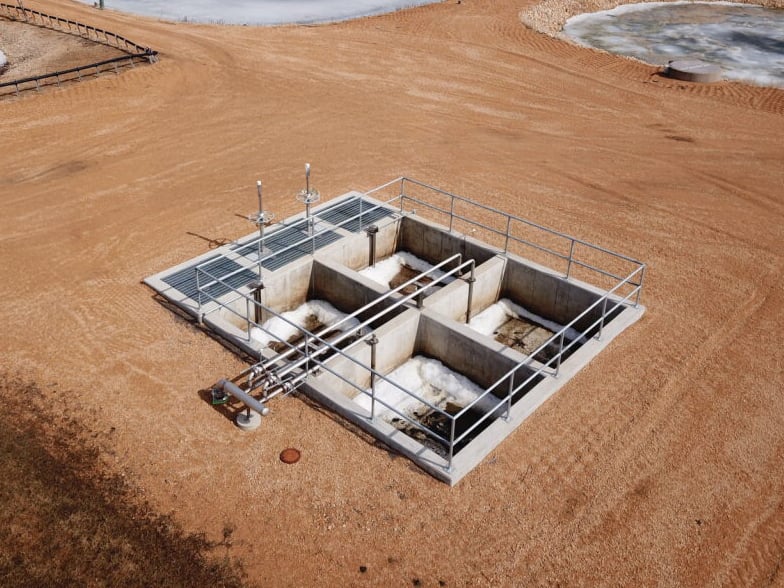
Our patented process for total nitrogen and nitrate limits.
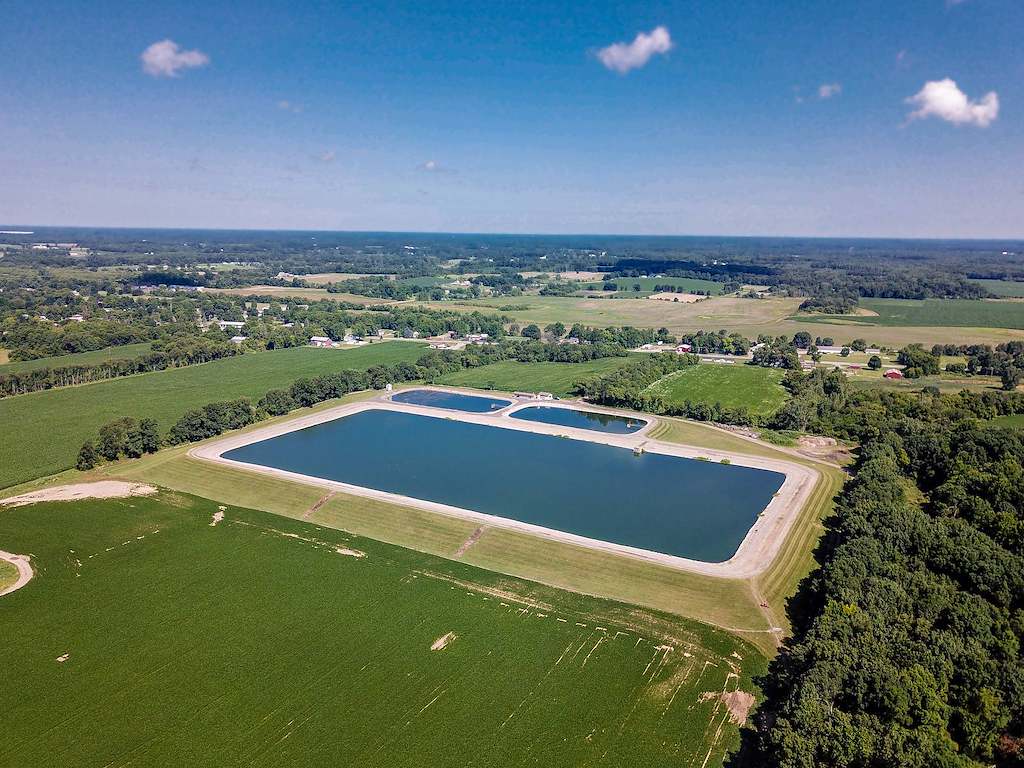
Low-maintenance tertiary filtration for phosphorus limits.
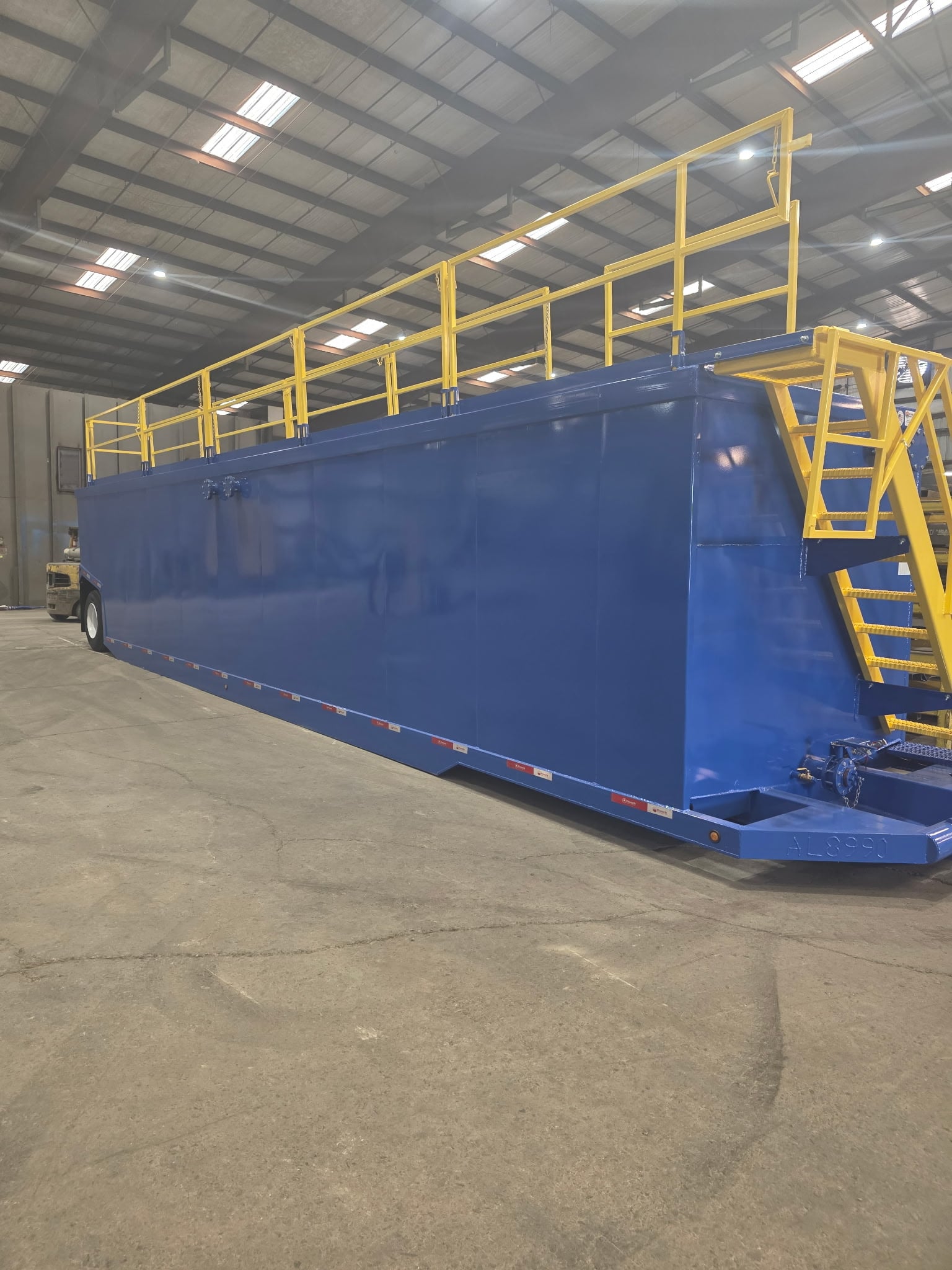
Biological Mobile NitrOx® trailers and rental aeration that treat ammonia, BOD and total nitrogen through upsets, expansions and seasonal peaks.
Industrial case studies

How a seafood processor upgraded its lagoons to handle high-strength process water.
Read the story →Aeration that brought a winery's process-water pond and its odor under control.
Read the story →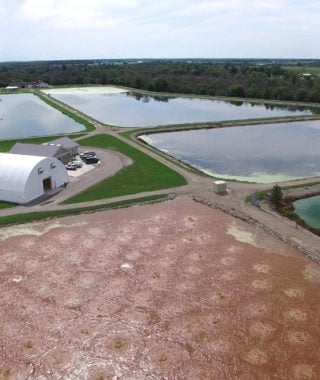
LRAS™ (Lagoon Return Activated Sludge) helped the city treat additional dairy wastewater using its existing treatment infrastructure.
Read the story →
Upset, expansion or seasonal peak?
Mobile NitrOx® is a biological MBBR treatment system on a road-ready trailer, not just a tank, and it can treat ammonia, BOD and total nitrogen. Together with rental aeration, it's delivered, installed and started up, with operator training included, so a treatment problem doesn't become a production problem.
triplepoint's Lagoons Do It Better (LDIB) process
First, we believe lagoons do it better. Then we diagnose the real challenge, tailor the right approach, and support you through startup and beyond. Every installation is backed by our “We Say It, We Do It” Technology Performance Guarantee.
Identify core issues, gather operating data, understand discharge requirements and define your objectives together.
01 / DiagnoseEvaluate alternatives, review the options with your team and refine a solution matched to the site, budget and operations.
02 / Collaborate & refineHelp implement the solution, start up and train your operators, and continue supporting performance in the field.
03 / SupportCommon questions
Energy savings depend on existing equipment, wastewater loading, power costs and operating conditions. In a published pulp and paper comparison, upgrading the aeration system reduced annual energy consumption by approximately 35%. Our team can evaluate your current equipment to estimate potential savings. See the mill comparison →
Often, yes. Ares Aeration® can improve oxygen transfer and mixing, while LRAS™ (Lagoon Return Activated Sludge) can substantially increase flow and loading capacity in existing lagoon cells or engineered earthen basins. The achievable capacity increase depends on site conditions and engineering design. About LRAS™ →
Adding mixing and oxygen lets bacteria digest accumulated sludge in place. Customers have seen accumulated sludge reduced by up to 60%. Lagoon sludge solutions →
Ares Aeration® uses fine-bubble silicone membranes with a design intended to reduce fouling. Its durability has been demonstrated in demanding environments, including pulp & paper lagoons; useful life depends on actual conditions and maintenance. About Ares Aeration® →
Ares Aeration® units are designed for installation and service from the lagoon surface, reducing the need for basin drain-down. Upgrades can be phased to help minimize disruption to ongoing treatment operations.
Rental aeration and Mobile NitrOx® can typically be on site in about two weeks, and up to 75% of six months' rent is credited toward a permanent system. Rental systems →
Yes, the design process considers when production begins, reaches peak load and winds down. A winery or seasonal processor may not need the same aeration demand throughout its entire campaign; we evaluate BOD loading, oxygen demand and the operating cycle before sizing the solution.
We review your specific discharge or reuse standards and determine whether nitrification, denitrification, phosphorus removal and TSS polishing are needed. Requirements vary by state, permit, and reuse application; no single total nitrogen limit applies to every facility. About NitrOx®+D →
Talk to an industrial specialist
Share your current aeration horsepower, operating hours, energy costs and treatment challenges. Our team can help evaluate potential energy and O&M savings for your facility.
This site is protected by reCAPTCHA and the Google Privacy Policy and Terms of Service apply.